Can You Put Garden Waste in a Skip?
 By Snappy
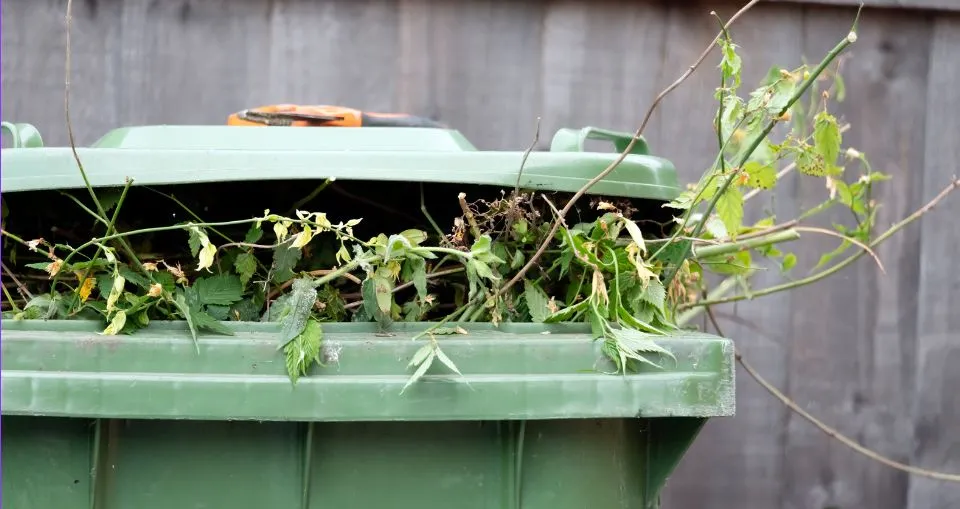
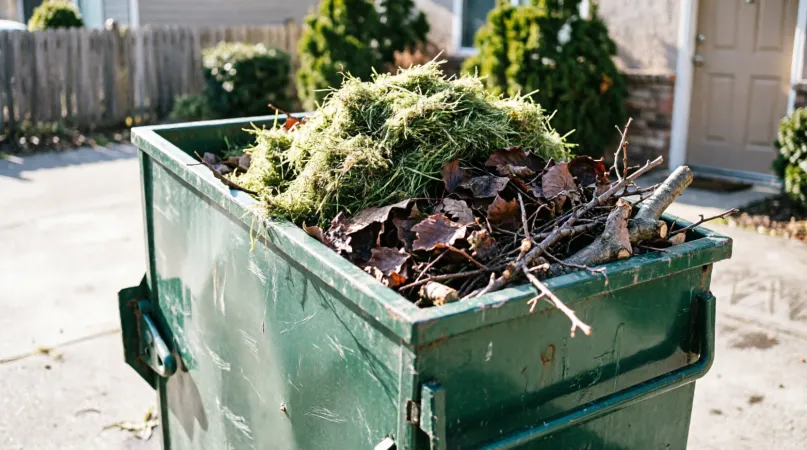
Can you put garden waste in a skip? In most cases, yes. Common garden waste such as grass cuttings, hedge trimmings, branches, leaves and plants can normally be placed in an appropriate skip.
However, not everything that comes out of a garden should automatically be treated as green waste. Soil, rubble, old fencing, decking, plant pots, garden furniture and potentially hazardous materials may need to be handled differently.
Before hiring a skip, it is therefore worth checking exactly what you need to dispose of and whether a skip is the most practical option.
What Garden Waste Can You Put in a Skip?

Most skip providers accept ordinary non-hazardous garden waste, including:
- Grass cuttings
- Leaves
- Flowers and plants
- Hedge trimmings
- Small branches and twigs
- Prunings
- Weeds
- Bark and untreated wood
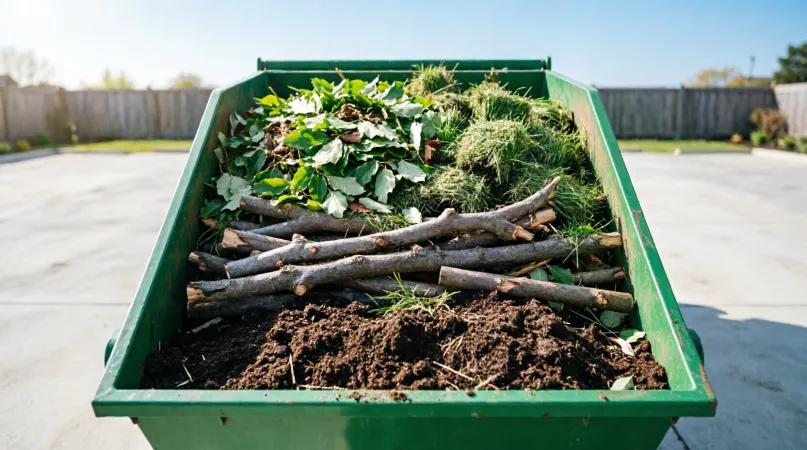
If you have completed a major garden clearance, you may also have heavier materials such as soil, turf, stones, bricks or broken paving.
These materials are not the same as ordinary green waste. Because they can become extremely heavy, the skip company may have restrictions on which skip sizes can be used.
Snappy Rubbish Removals also offers garden clearance in London for households that would rather have garden rubbish loaded and removed directly instead of hiring a skip.
Can You Put Soil in a Skip?
Soil can often be put in a skip, but you should check with the provider first.
A skip filled with soil becomes very heavy surprisingly quickly. Providers may therefore restrict soil, rubble and other dense materials to particular skip sizes.
If you are digging out flower beds, levelling a garden or carrying out landscaping, estimate the amount of soil separately from lighter waste such as leaves and branches.
Mixing everything together without checking the restrictions could result in additional charges or the skip not being collected.
What Garden Waste Should Not Go in a Skip?
Some materials commonly found during garden projects require additional care.
Depending on the provider, restricted items may include:
- Paint and chemicals
- Batteries
- Gas cylinders
- Electrical equipment
- Asbestos
- Tyres
- Certain treated materials
Invasive plants can also require specialist handling. Japanese knotweed, for example, should not simply be mixed with ordinary garden waste.
Always tell the waste company what you are disposing of when booking.
Is a Skip the Best Option for Garden Waste?
Not necessarily.
A skip can work well when you are carrying out a large landscaping project over several days and have enough space on your property.
However, there are some practical disadvantages. You have to load the waste yourself, the skip occupies space while it is being used, and placing one on a public road may require appropriate permission.
For smaller or medium-sized clearances, direct collection can be simpler.
With a rubbish removal servicerubbish removal service, a team arrives, loads the garden waste and takes it away without leaving a skip outside your property.
This can be particularly useful in London, where driveways and convenient skip locations are not always available.
Homeowners dealing with materials their local collection service will not accept can also read about garden waste that councils may not collect.
Can You Mix Garden Waste With Other Rubbish?
Often, but it depends on the type of waste.
For example, a garden renovation might produce branches, an old fence, broken paving, plant pots and unwanted garden furniture at the same time.
A mixed-waste skip may accept several of these materials, but restrictions can still apply to hazardous items and very heavy waste.
Separating green waste from soil, rubble and other materials before booking can make it easier to explain exactly what needs removing.
Skip or Garden Waste Collection: Which Should You Choose?
Choose a skip when you need somewhere to store waste while completing a project over several days.
Choose direct garden waste collection when you want the rubbish removed quickly without loading a skip yourself.
For London homes with narrow access, limited parking or no driveway, collection can often be the more convenient option.