Environmental Effects of E-Waste: How Old Electronics Harm the Planet
 By Snappy
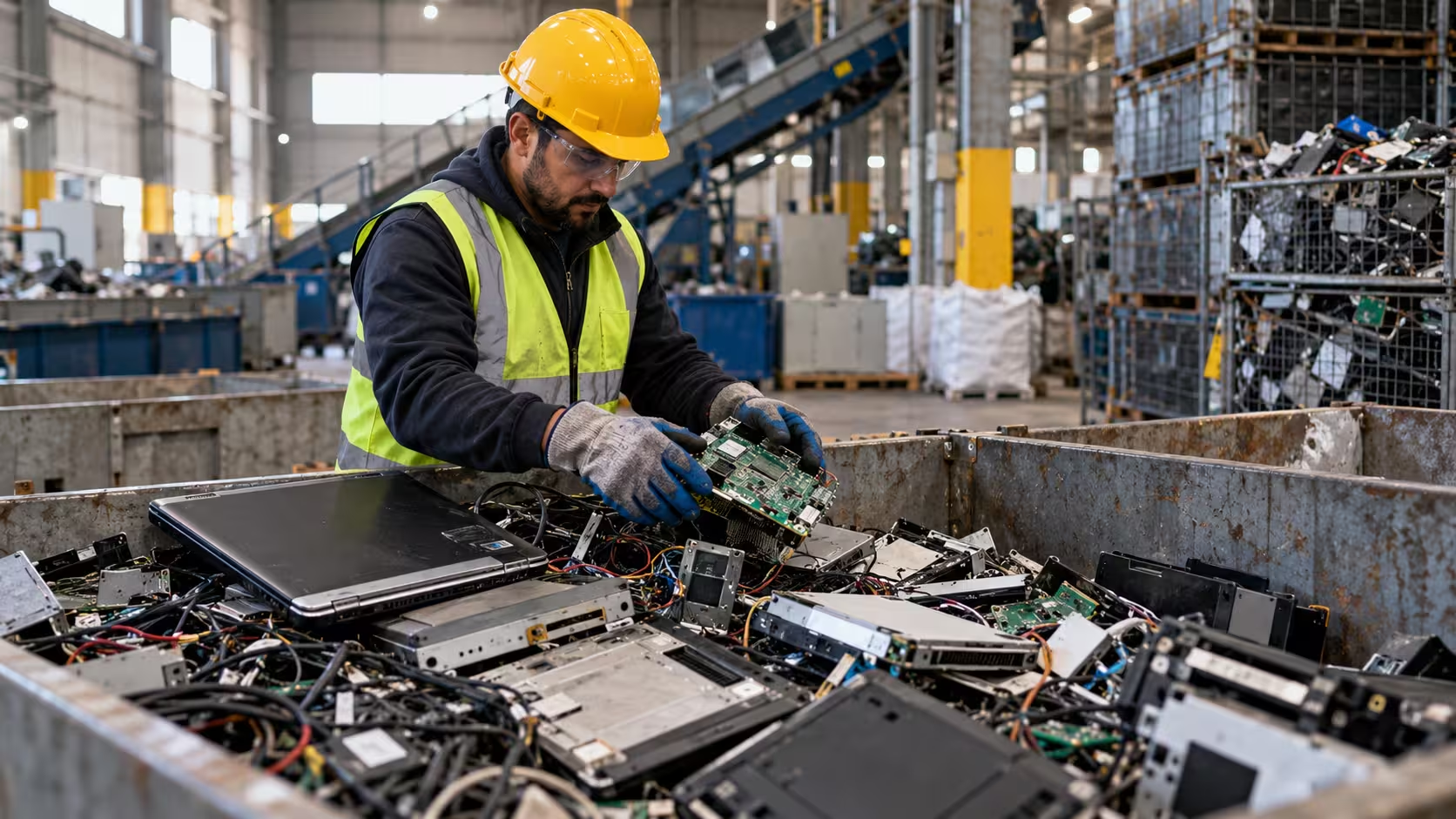
Electronic waste, or e-waste, includes unwanted electrical and electronic products such as mobile phones, laptops, televisions, printers, cables, appliances and battery-powered devices. Although these items may look harmless once switched off, their environmental impact can continue long after disposal.
The Global E-waste Monitor reported that 62 million tonnes of e-waste were generated worldwide in 2022, yet only 22.3% was documented as formally collected and recycled. When electronics are dumped, burned or processed incorrectly, toxic substances can enter air, soil and water, while valuable recoverable materials are lost.
What Are the Main Environmental Effects of E-Waste?
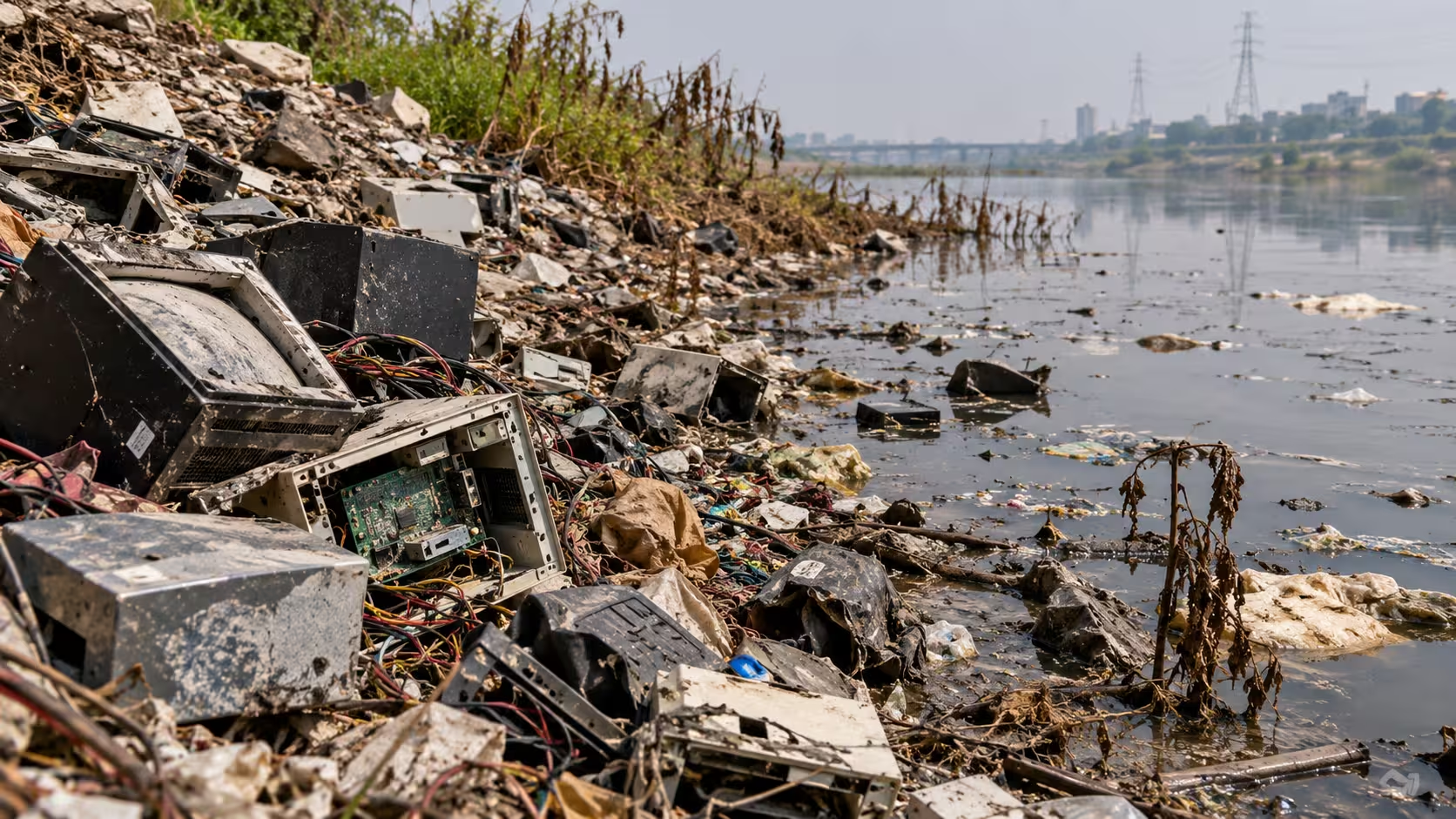
Devices can contain lead, mercury, cadmium and other hazardous substances, while their plastics may contain chemical additives and flame retardants. These materials are normally contained within a functioning product, but poor disposal or crude dismantling can release them.
Air Pollution From Burning and Processing
One of the most damaging practices is open burning. Cables, circuit boards and plastic casings may be burned to recover metals such as copper, releasing fine particles, heavy metals, dioxins and other pollutants.
Contaminated smoke and dust can travel beyond the recycling site, settle on surrounding land and water, and expose nearby wildlife and communities.
Soil Contamination
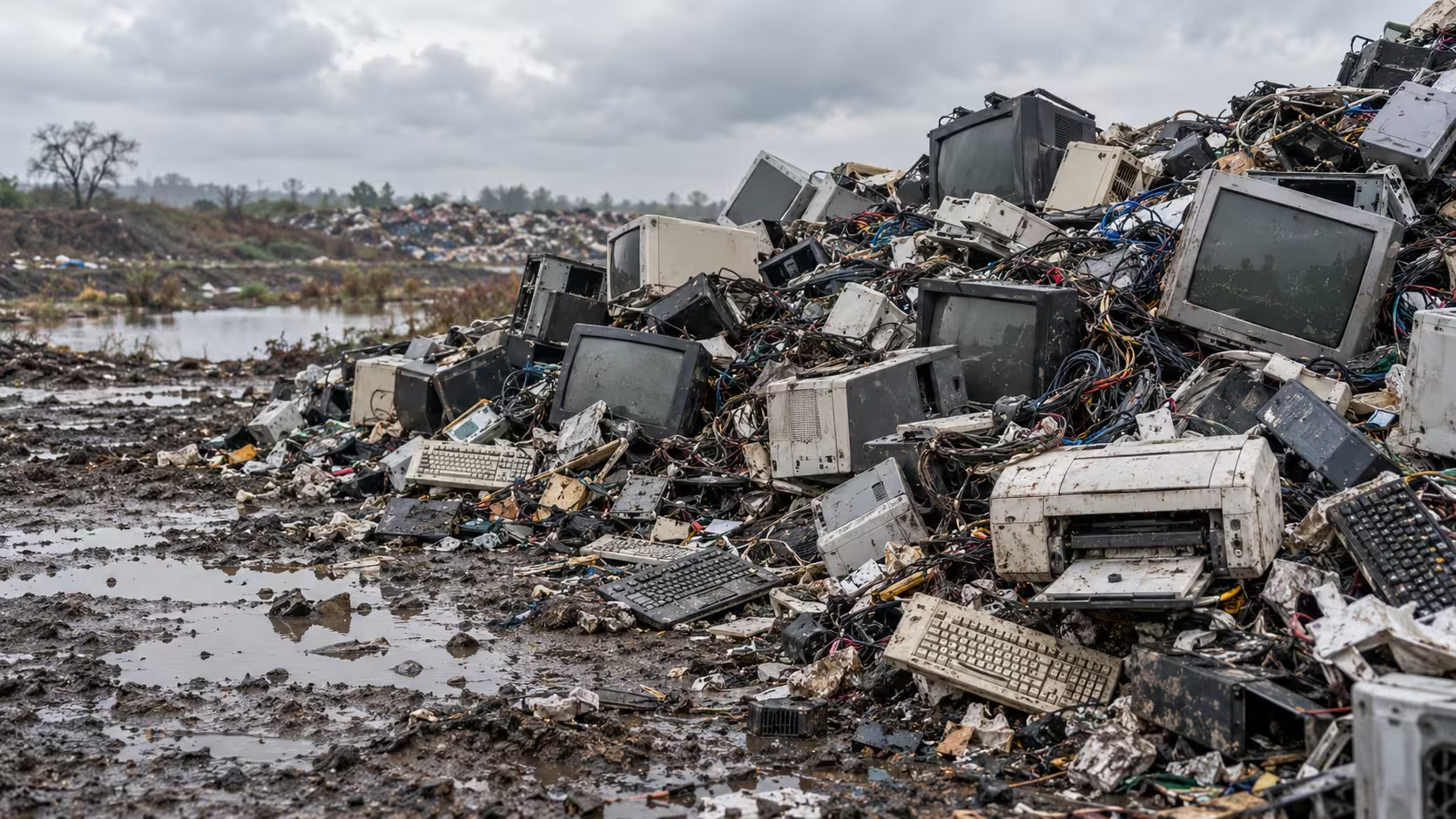
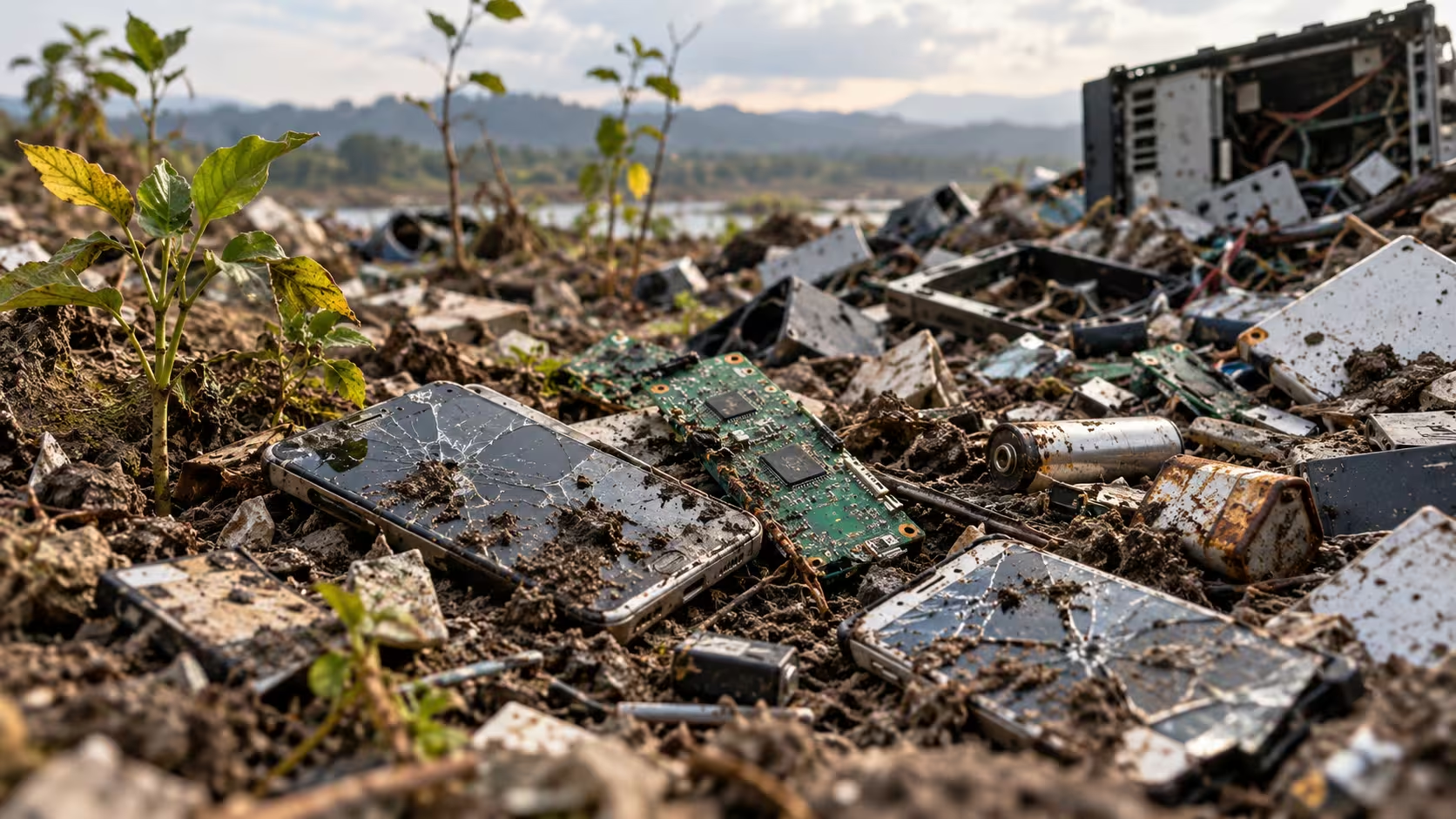
When electronics are dumped on land, damaged components can release metals and chemicals into the soil. Informal dismantling sites may also accumulate contaminated ash, plastic fragments and processing residues.
Polluted soil can affect microorganisms, plants and agricultural land. Some contaminants can be taken up by crops, allowing e-waste pollution to enter the wider food chain.
Water Pollution
Rainwater can move through discarded electronics and carry contaminants into groundwater, rivers and other water bodies. This leachate may contain heavy metals and chemicals released from damaged components.
Aquatic organisms can then be exposed, while persistent pollutants may remain in ecosystems and accumulate through food webs.
Can E-Waste Add to Microplastic Pollution?
Yes. Electronics contain plastics in cases, insulation, connectors and internal components. As these plastics weather, shred or break apart, they can form microplastics.
Recent research has highlighted another concern: e-waste-derived microplastics may carry chemical additives such as flame retardants alongside heavy metals. This makes plastic pollution an important environmental effect that many basic e-waste guides overlook.
Why Does E-Waste Increase Pressure on Natural Resources?
The environmental cost of e-waste is not limited to pollution. Electronics contain copper, iron, aluminium, precious metals and other useful materials. In 2022, global e-waste contained an estimated 31 billion kilograms of metals.
When these materials are dumped instead of recovered, more virgin resources must be mined and processed. Mining, refining and manufacturing consume energy, land and water, so poor e-waste management can create environmental pressure far beyond the disposal site.
That is why recycling e-waste instead of landfill is important. Proper treatment can recover useful materials while separating components that need specialist handling.
Does E-Waste Contribute to Climate Change?
E-waste can contribute indirectly through the replacement cycle. Producing new electronics requires raw material extraction, processing and manufacturing energy. Repairing, reusing and recycling equipment can reduce demand for some virgin materials and avoid unnecessary production.
Certain products also need specialist treatment. Fridges, freezers and air-conditioning equipment can contain refrigerants that must be managed correctly rather than released.
How Can the Environmental Impact of E-Waste Be Reduced?
A practical approach is to:
- Keep electrical products for longer where possible.
- Repair equipment before replacing it.
- Donate or sell working electronics for reuse.
- Recycle removable batteries through suitable collection routes.
- Keep electrical items separate from general household rubbish.
- Use authorised collection and recycling routes for end-of-life electronics.
Anyone replacing a PC should follow appropriate methods for disposing of an old computer or laptop rather than putting it into general waste. It also helps to understand the different types of household waste, because electrical items can require different handling.
In England, electrical waste is generally managed as waste electrical and electronic equipment, or WEEE. Environment Agency guidance requires WEEE to be correctly classified and controlled, including consideration of hazardous substances and persistent organic pollutants where relevant.
The Bottom Line
The environmental effects of e-waste extend far beyond a broken phone or television. Poorly managed electronics can pollute air, soil and water, contribute to microplastic contamination, damage ecosystems and waste finite natural resources.
Keeping electronics in use longer, prioritising repair and reuse, and sending genuine waste electronics through responsible recycling routes can substantially reduce these impacts.